
Most people try to save money at the worst possible time — at the end of the month. I used to do the same until I learned what it really meant to pay yourself first.
When I was younger, saving was something I hoped to do after everything else. Pay the bills, grab groceries, squeeze in a takeout night, pick up something from a yard sale — and whatever survived the week would go into savings. Most months, nothing made it there. Not because I didn’t want to save, but because I didn’t have a system. I was reacting to life instead of directing it.
And life moved fast. Especially during those early work years — bouncing between jobs, long hours, unpredictable paychecks. I kept telling myself I’d start saving “when things slowed down.” They never did.
What finally changed things wasn’t a bigger paycheck or more discipline. It was something simpler: I saved before I ever saw the money.
Paying myself first didn’t make my life less busy — but it made saving automatic. And that’s what finally worked.
Why Paying Yourself First Works Better Than Traditional Budgeting
Traditional budgeting looks great on paper: track every category, stay disciplined, and save whatever is left. But real life is messier. Schedules get full. Weeks blur. Unexpected expenses pop up. By the end of the month, there’s rarely anything left to save.
Pay yourself first flips the order:
You save first — then live on the rest.
It feels small in the moment, but it shifts the entire weight of your financial life. You stop depending on motivation and start relying on a system that works quietly in the background.
It’s the same principle behind the habit work I talk about in Five Simple Money Habits and again in The 1% System — early, automatic steps create momentum that lasts.
What Pay Yourself First Looks Like in Daily Life
The idea is simple: before you spend a dollar, a portion of your paycheck goes directly into savings — automatically.
It doesn’t require a complex spreadsheet or a strict budget.
It doesn’t rely on willpower.
And it doesn’t depend on finding “extra money.”
Here’s the shift most people feel:
Instead of thinking “I hope I can save this month,”
it becomes “saving already happened.”
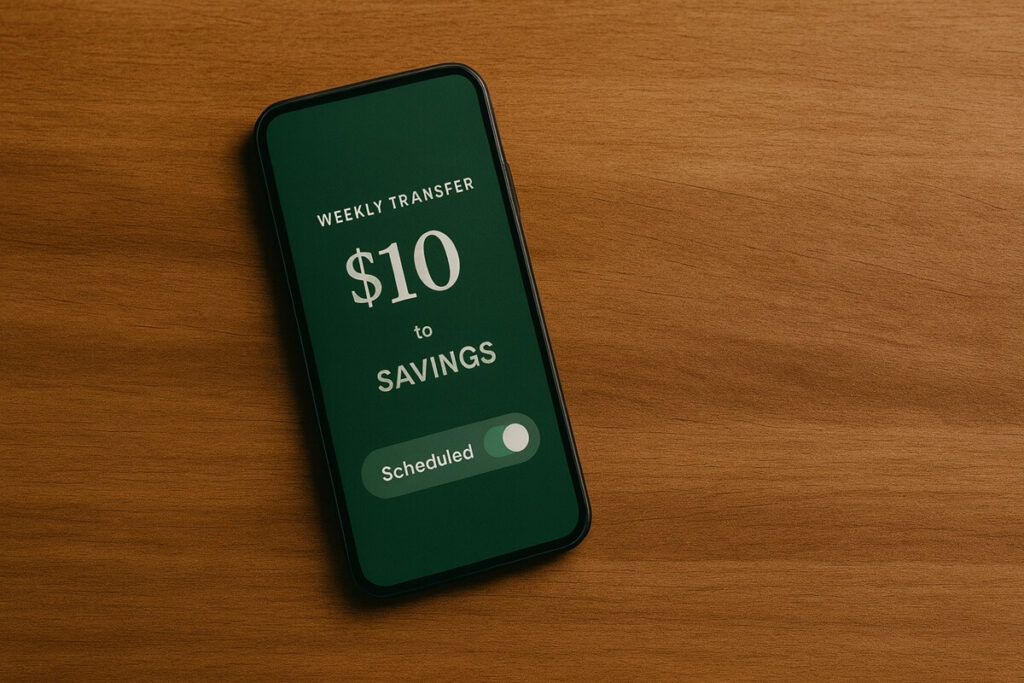
The difference is confidence. Even a $10 weekly transfer builds the sense that you’re finally moving forward — and that feeling changes everything.
How to Set Up a Pay Yourself First System
Here’s the simple system I used — and still use today.
Step 1 — Pick a Small Starting Number
Most people try to make a big leap on day one and end up giving up when the month gets tight.
Start small.
$10–$25 a week is enough to build the habit.
A small amount is manageable, and it fits into any schedule without adding pressure.
That tiny weekly commitment is what builds the kind of consistency that actually sticks.
Step 2 — Open a Separate Savings Account
This part matters.
If your savings sits in the same checking account you swipe from all week, it will eventually disappear. A separate account protects the habit and removes the temptation.
A high-yield savings account works best. If you need one, CIT Bank offers a good APY and makes automatic transfers painless.
Step 3 — Automate the Transfer
This is the engine of the entire system.
Once you’ve picked your number, choose the day it will move and put the transfer on autopilot. Weekly or biweekly both work — the schedule matters far less than the consistency behind it.
The goal is simple: remove anything that relies on memory.
When the transfer runs automatically, the habit holds steady even when life gets busy.
If you already automate your bills, this will feel familiar. It follows the same principle I break down in How to Automate Your Bills Without Losing Control — build a flow that runs in the background, so you don’t have to think about it.
Step 4 — Let the System Run for 90 Days
The first few weeks feel quiet.
Nothing dramatic happens.
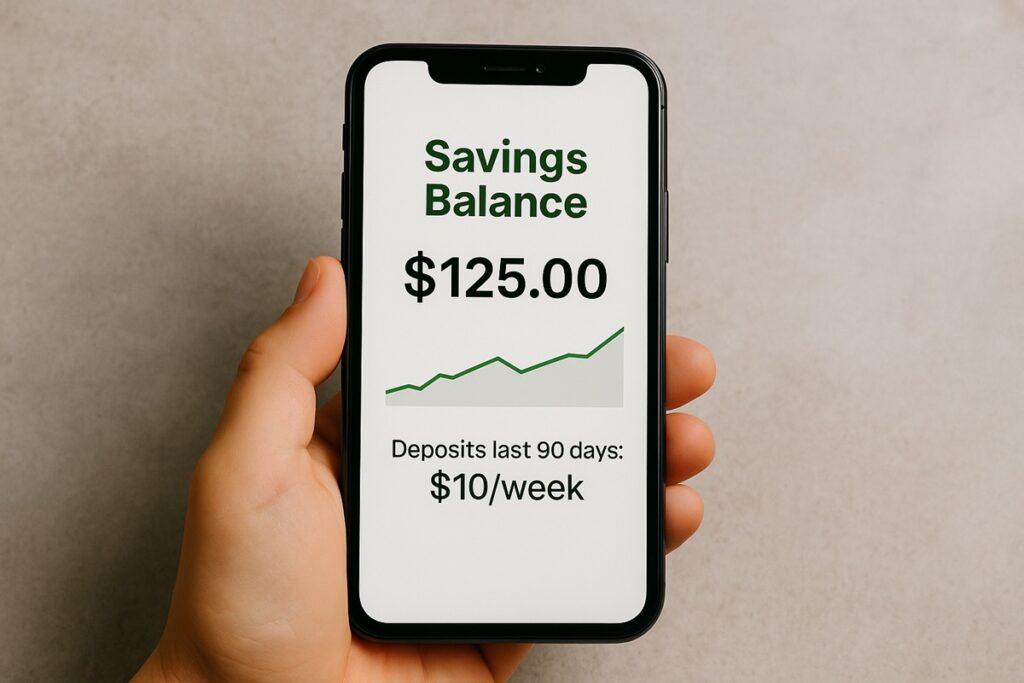
Then one day you check the account and see enough saved to cover an unexpected bill — and suddenly the system feels real.
Those small deposits build confidence.
They make saving feel natural instead of forced.
Give the system 90 days. It will change the way your money feels.
Step 5 — Gradually Increase the Amount
Once the habit is stable, increase the transfer by $5–$10 every month or quarter.
Not enough to feel pressure — just enough to keep momentum rising.
The goal isn’t perfection.
It’s progress you barely notice until it starts making a real difference.
How to Pay Yourself First with Irregular Income
If your income changes from month to month, you can still use this system — you just need a flexible version of it.
Here’s what works:
- Save a percentage instead of a fixed amount
- Use 5–10% for normal weeks
- Increase the percentage when a large job or overtime hits
- Build a one-month buffer and automate transfers from that buffer
During the seasons when I travel for work and paychecks bounce up and down, this approach is what keeps everything steady. The system bends, but it doesn’t break.
Common Mistakes That Make Saving Harder
Most people don’t fail because they’re bad with money — they fail because the system they’re using works against them.
Some start with amounts that feel ambitious, then burn out when life gets busy. Others mix all their spending and saving in the same checking account, so it’s impossible to see what’s actually growing. And almost everyone tries manual transfers at least once… until they forget for a week, then a month, then the habit disappears.
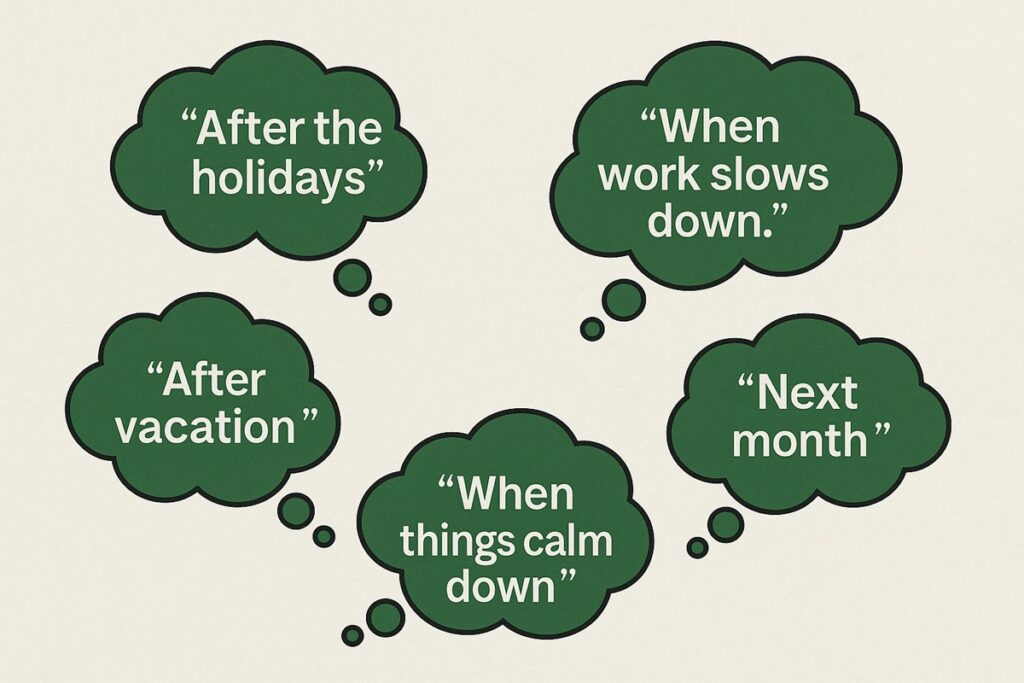
Another trap is waiting for “the right month” to begin — after the holidays, after work slows down, after life gives you a clean slate. But there’s always something on the calendar, and waiting quietly eats your progress.
Once you remove these friction points, saving gets dramatically easier. The system starts doing the heavy lifting — not your willpower.
What Happens After You Start to Pay Yourself First
The first few weeks feel subtle. You won’t wake up to a giant balance or overnight change. But you will notice the edges of your life getting calmer.
Your savings account finally starts growing without micromanaging it. Bills stop feeling as heavy because you know your essentials are padded. And because the system runs automatically, you stop relying on motivation — the habit carries itself.
Over time, that steady margin gives you something most people never get: space — the kind that makes life feel lighter.
You begin making decisions without rushing.
Planning debt payoff feels calmer.
And investing becomes something you choose when you’re ready, not something you force during a perfect month that never arrives.
And if you want a tool that keeps your transfers, tracking, and monthly flow organized, the Simple Budget System on the Resources page fits naturally with this approach. It helps you see your income, expenses, and breathing room all at once — a clean snapshot of your progress each month.
A Calm Close
Pay yourself first isn’t about restriction — it’s about creating breathing room for your future self.
You’re building a cushion that works even when life is busy.
You’re making progress without having to think about it.
And you’re setting yourself up for the kind of financial freedom that lasts.
Start with $10 this week.
Let the system run.
See how different life feels when you give the system a real chance.